Reptiles are often associated with warm weather, but that does not mean they can safely tolerate unlimited heat. Because reptiles depend on external temperatures to regulate their bodies, conditions that are too hot can be just as harmful as conditions that are too cold.
As summer temperatures increase, reptile owners should monitor their pet’s enclosure more carefully. Proper temperature control, humidity levels, lighting, hydration, and habitat design all play an important role in keeping reptiles healthy and comfortable.
Monitor Enclosure Temperatures Closely
A reptile enclosure that remains stable during cooler months may become dangerously warm during summer. Rising room temperatures, direct sunlight, nearby windows, and reduced airflow can all cause a habitat to heat up faster than expected.
Place reliable thermometers on both the warm and cool sides of the enclosure. This will help you monitor the complete temperature gradient and ensure your reptile can move between different areas to regulate its body temperature.
Every reptile species has specific temperature requirements, so always research the correct range for your pet.
Possible signs of overheating include:
Excessive hiding
Lethargy or weakness
Open-mouth breathing
Restlessness
Loss of appetite
Trying to escape the enclosure
If you notice any of these signs, check the enclosure temperature immediately. Move the habitat away from direct sunlight and contact a reptile-experienced veterinarian if your pet appears unwell.
Maintain the Correct Humidity Level
Humidity is just as important as temperature. Tropical reptiles generally require higher humidity, while desert species usually need a much drier environment.
Air conditioning can reduce indoor humidity during summer, which may make it harder to maintain suitable conditions for tropical reptiles. On the other hand, excessive misting or poor ventilation can cause humidity to become too high.
Use a dependable hygrometer to measure humidity rather than guessing. Depending on your reptile’s needs, you may need to:
Mist the enclosure
Use moisture-retaining substrate
Add a humid hide
Provide a larger water dish
Adjust ventilation
Reduce moisture if the enclosure becomes too damp
Correct humidity supports healthy breathing, hydration, skin condition, and successful shedding. Humidity that is consistently too high or too low may contribute to respiratory problems, dehydration, skin irritation, or difficulty shedding.
Provide a Proper Temperature Gradient
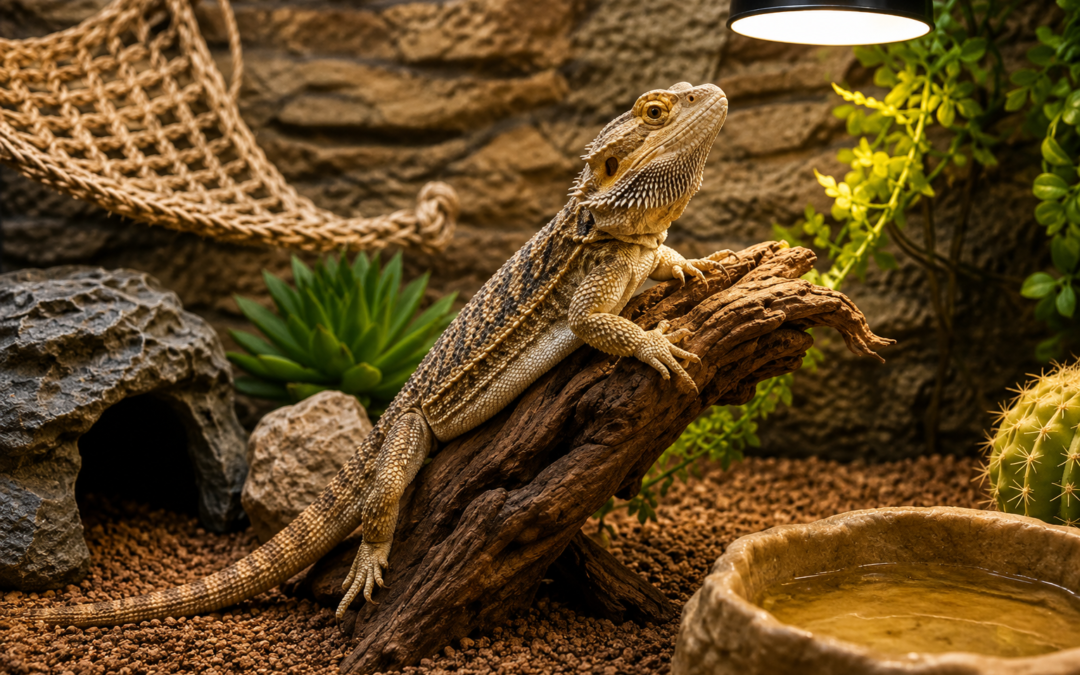
Reptiles need access to different temperature zones within their habitat. A well-designed enclosure allows them to move between a warm basking area and a cooler retreat throughout the day.
A suitable habitat may include:
A controlled basking area
A cooler side of the enclosure
Appropriate UVB lighting when required
Secure hiding places
Fresh, clean water
Species-appropriate substrate
Safe climbing or burrowing areas
The basking area should not make the entire enclosure hot. Your reptile must always have access to a cooler space where it can rest and regulate its temperature.
Heat lamps, ceramic heat emitters, and heat mats should be controlled with an appropriate thermostat whenever recommended. This helps prevent dangerous temperature spikes and reduces the risk of burns.
Check Lighting and UVB Equipment
Many reptile species require UVB lighting to support vitamin D production, calcium absorption, and healthy bone development.
UVB bulbs can continue producing visible light even after their useful UVB output has weakened. Check the manufacturer’s replacement schedule and change bulbs when recommended.
Make sure lighting is positioned at the correct distance from the basking area. Screens, glass, and improper placement may reduce the amount of UVB reaching your reptile.
Reptiles also need a consistent day-and-night cycle. Using a timer can help maintain a regular lighting routine throughout the summer.
Watch for Shedding Problems
Some reptiles may become more active or grow more quickly during warmer months, which can result in more frequent shedding.
Incomplete shedding is often connected to low humidity, dehydration, or an unsuitable habitat. Retained skin may be especially noticeable around the toes, tail, eyes, and tip of the nose.
To support healthy shedding:
Maintain species-appropriate humidity
Provide fresh water
Offer a humid hide when suitable
Include safe, textured surfaces for rubbing
Monitor difficult areas after each shed
Do not pull retained skin from your reptile, as this can cause injury. Contact a reptile-experienced veterinarian if shedding problems continue or if retained skin restricts circulation.
Keep the Enclosure Clean and Well Ventilated
Warm and humid conditions can encourage bacteria, mold, and unpleasant odors to develop more quickly.
Remove waste, uneaten food, and soiled substrate regularly. Clean food and water dishes frequently, and replace substrate according to the needs of your reptile and habitat.
Good ventilation is also important, particularly for species that require higher humidity. The goal is to maintain moisture without allowing the enclosure to become stagnant or constantly wet.
Provide Fresh Water and Proper Hydration
Reptiles can become dehydrated during hot weather, even when their enclosure appears comfortable.
Keep clean water available according to your pet’s species-specific needs. Some reptiles drink from bowls, while others prefer droplets from misting systems, leaves, or moving water.
Signs of possible dehydration may include sunken eyes, wrinkled skin, dry mucous membranes, weakness, and difficulty shedding. Speak with a veterinarian if you are concerned about your reptile’s hydration.
Keep Your Reptile Comfortable All Summer
Reptiles can remain healthy and active throughout summer when their environment is carefully managed. Regularly checking temperature and humidity, maintaining proper lighting, providing fresh water, and creating a safe temperature gradient can prevent many common seasonal problems.
Because every species has different care requirements, always build your habitat around your reptile’s individual needs rather than using a one-size-fits-all setup.
Visit Cozy Critter Rescue for helpful reptile-care information, responsible pet ownership guidance, and resources designed to support the health and well-being of reptiles and other animals.